


The thing about grief that no one truly prepares you for is its unpredictability.
As my daughter wisely observed, grief isn’t linear – it doesn’t follow a neat pattern or timeline. It’s like ocean waves. Sometimes, they are gentle and lap at your feet. Other times, they crash over you without warning and take your breath away.
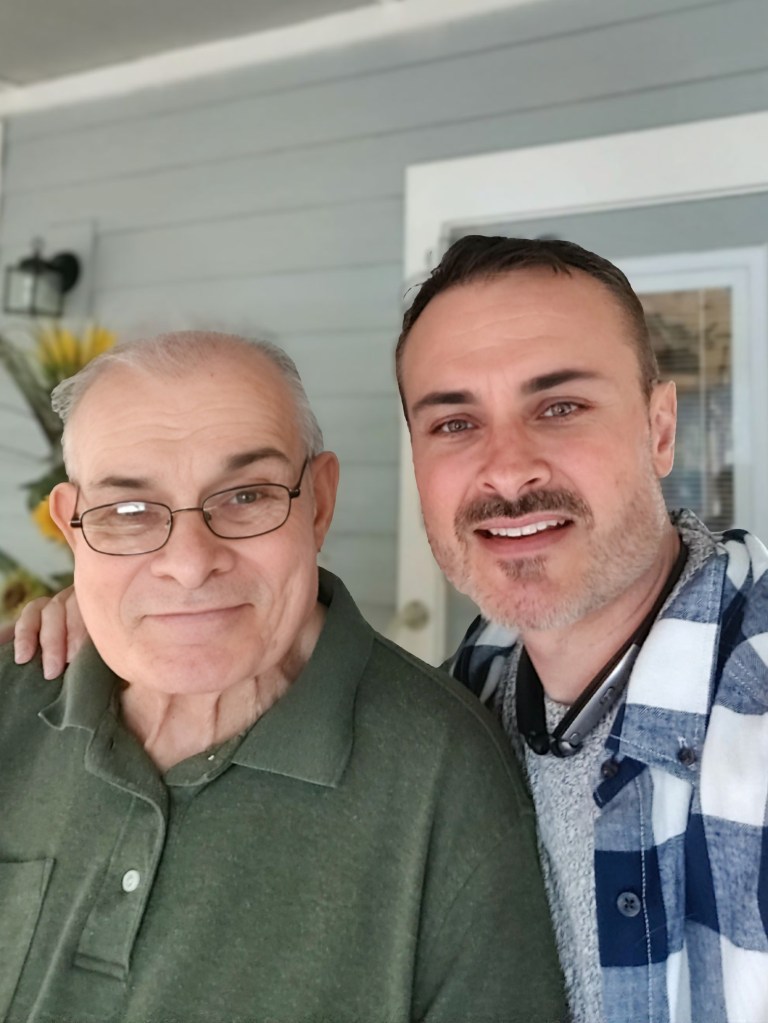
My father passed away in April of last year, 2024. This journey has taught me that grief is a universal experience. It is also deeply personal. Most days, I can smile at his memory. Other days, a minor reminder appears. It is a song on the radio, his favorite saying, or even a random Tuesday afternoon. These moments can bring that raw ache rushing back. We all share this journey, each in our own unique way.
For those walking this path, here’s what I’ve learned about navigating the unexpected moments of grief:
Embrace the Unpredictability

There’s no “right” way to grieve. Some days, you feel almost normal. Then, grief blindsides you while you are driving. This happens because you’ve unconsciously done something that they taught you. This is normal. These moments aren’t setbacks – they’re part of the journey.
Create Space for Memory

Sometimes, we avoid talking about our loved ones because it hurts too much. But I’ve found that sharing stories, looking at photographs, or even writing letters to them can be surprisingly healing. These acts keep their memory alive and create a comforting space where we can process our emotions together.
Honor Your Grief in Small Ways

Find personal rituals that bring comfort. You wear your loved one’s old jacket or sweater on hard days. It is making their signature recipe. Or you will visit their favorite place. These small acts of remembrance are about honoring your loved one and taking control of your healing process.
The Power of “Both/And

One of the most profound realizations in my grief journey is understanding that emotions can coexist. You can be BOTH deeply sad and genuinely happy on the same day. Sometimes, these feelings occur even in the same moment. You can laugh at a funny memory while crying because they’re not here to share it. This duality is part of healing.
You Are Not Alone: Finding Support in Grief

One of my most important lessons is that no one should walk through grief in isolation. When the pain feels overwhelming, remember that support is available. Seeking help is not a sign of weakness but a show of courage.
There are incredible resources designed to support you through this journey:
– Online Communities: Websites like GriefShare and What’s Your Grief offer supportive online groups. In these communities, you can connect with others who understand your experience.
– Professional Support: Organizations like The Dougy Center offer specialized grief counseling for individuals of all ages.
– 24/7 Helplines: If you’re struggling, the National Suicide Prevention Lifeline (988) offers immediate support. The Crisis Text Line also provides compassionate help. You can text HOME to 741741 for assistance.
Reading books like “Good Grief” by Granger E. Westberg
“It’s OK That You’re Not OK” by Megan Devine
“Finding Meaning” by David Kessler can offer comfort and understanding.
Remember, reaching out is not just okay – it’s vital to healing.
Practical Ways to Navigate Difficult Moments

– Take a breath. Breathe. When grief hits unexpectedly, pause and breathe deeply. Ground yourself in the current moment.
– Keep a journal. Writing can help process those complex emotions when they surface.
– Create a comfort box with items that soothe or remind you of happy memories.
– Reach out to someone who understands. Sometimes, saying, “I’m having a hard day,” can help them help you.
– Start moving your body. A short walk, gentle stretching, a small cup of coffee, etc., can help shift intense emotions from swallowing you.
The Ripple Effect

Grief changes us, but it also can serve to connect us.
Through sharing our experiences, we create a web of understanding and support. Your story is exactly what someone else needs to hear to feel less alone in their own grief journey.
Looking Ahead While Holding On
As time passes, we learn to carry our grief differently. It feels less like a crushing weight, and more like a precious memento, we carry in our pockets. It’s always there but not permanently heavy. We start to understand that moving ahead doesn’t mean leaving our loved ones behind. Instead, we bring them with us in new ways.
Let’s finish with this thought

Remember that grief is evidence of love. Those unexpected moments when grief washes over you. They’re only reminders of how deeply you loved and were loved in return. While the pain of loss never completely fades, it does transform. It can make you better! How? By sharing our stories and supporting each other, we honor our loved ones and our journey through grief.
As you navigate your own path through loss, be gentle with yourself. There’s no end date on grief, no timeline for healing, and no wrong way to remember those we’ve lost. Your journey is uniquely yours, but you’re not alone on this path.
In loving memory of my Dad, whose presence I carry with me every day, even in his absence.


 Timothy Dickert